
Loading...
Loading...
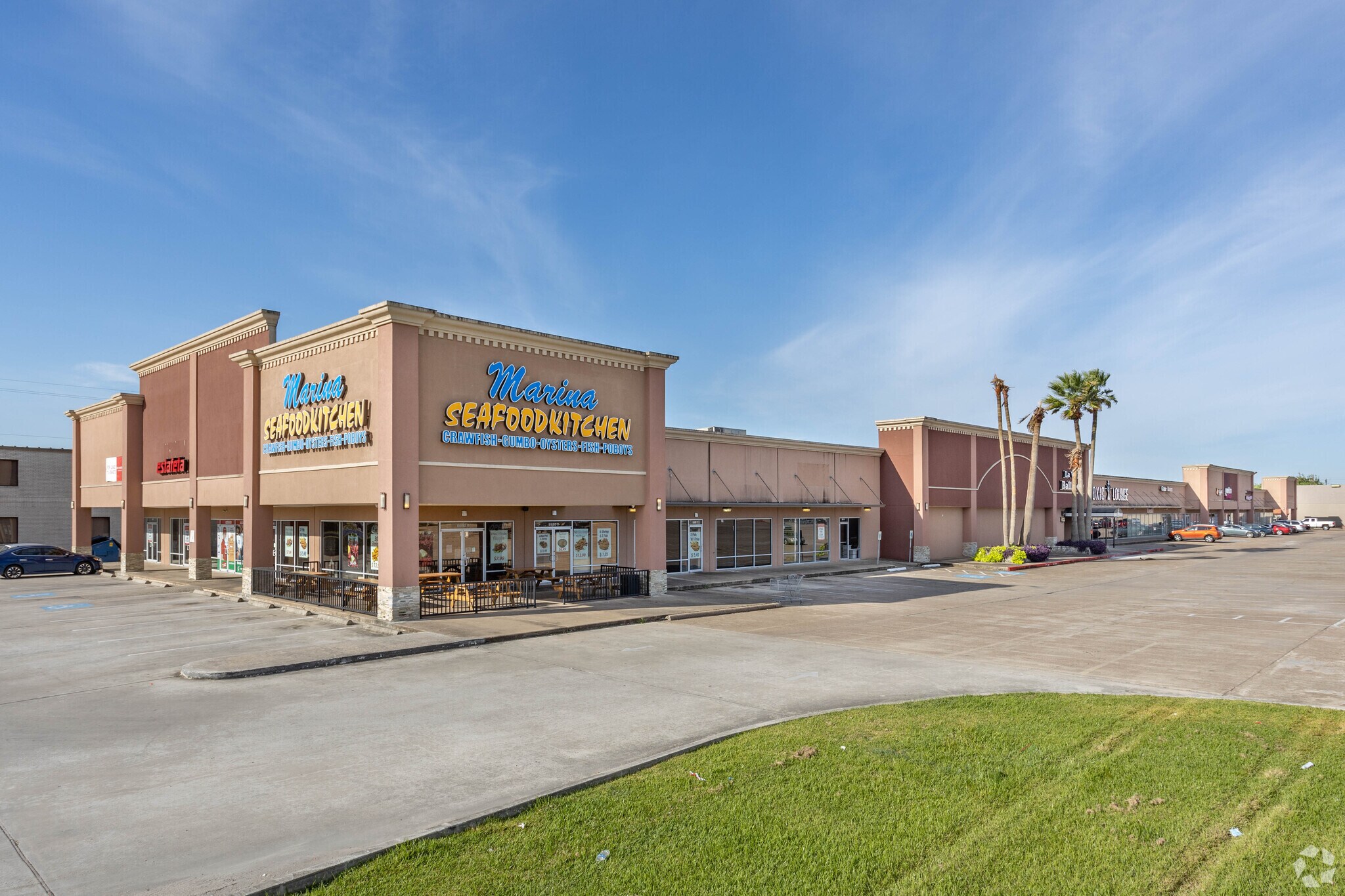
Location Detail
Artificial turf installation for South Houston residential properties in Beltway 8 south and Sagemont area neighborhoods.
Main Introduction
South Houston and the Beltway 8 south corridor encompass some of the most densely occupied older residential land in the greater Houston metro — neighborhoods like Sagemont, Almeda, and the South Belt tracts that were developed in the 1960s and 1970s as the petrochemical workforce expanded south of the ship channel. These are brick-and-mortar neighborhoods of mostly single-story homes on lots that measure in the 6,000 to 8,500 square foot range, occupied by long-tenured families and by new homeowners who chose them for the price-to-location ratio relative to jobs at the Texas Medical Center, NRG, and the Beltway 8 industrial corridor.
Artificial Turf of Pearland works in South Houston and the Sagemont-Almeda corridor with scopes that fit the dense urban residential context. These are not suburban estates with open acreage — they are worked neighborhoods where the back gate faces an alley, the side yard is 8 feet wide, and the front lawn is a 25-by-40-foot rectangle visible from the street. A well-installed front or backyard turf surface on a South Houston lot delivers visible, maintainable results without requiring a large budget.
South Houston's employment patterns skew toward shift work at the ship channel, the medical complex, and the warehouse corridors along Beltway 8. Multiple-income households where both adults are working irregular hours cannot manage a weekly mowing schedule reliably. Turf removes the mowing obligation from the schedule permanently, which has direct quality-of-life value for households operating on compressed time.
Local Challenges
South Houston's older residential sections sit on Houston black clay — the same expansive clay that underlies much of the inner-city Houston metro. This clay moves seasonally, expanding several inches during wet periods and shrinking and cracking during dry spells. Turf installed over a base that does not account for clay movement will develop edge lifting and seam separation within one to two years.
The lots in Sagemont and Almeda are small enough that waste efficiency matters significantly on the material side. A standard turf roll width may produce considerable waste on a 25-by-40-foot installation if the layout is not planned carefully. We cut-plan every South Houston scope before ordering material to minimize waste.
Alley-facing back gates in older South Houston neighborhoods are a near-universal access feature, but alley conditions vary. Some alleys are paved and wide; others are caliche-patched and narrow. We assess alley access during site intake because it affects how material gets to the back yard.
Service Approach
For Houston black clay in South Houston, we use a deeper aggregate base than we would on sandy-loam soil, combined with a geotextile separation layer that prevents clay particles from contaminating the aggregate over time. We also pin the perimeter edge more securely than on non-clay sites — the expansion-contraction cycle can push border pins upward if they are not set at the correct depth.
Cut planning for compact South Houston lots is done before material is ordered. We sketch the layout geometry and identify which cuts will produce salvageable offcuts for edge pieces versus true waste. This step reduces material cost on small lots where roll-width efficiency matters.
Alley access is assessed at intake. Where alleys are too narrow for a standard delivery vehicle, we coordinate with the homeowner to use front-yard staging with a wheelbarrow route to the back. This adds 30 minutes to material handling but is the correct approach for narrow alley conditions rather than forcing a large vehicle where it does not belong.
Benefits
For South Houston households where both adults work irregular shifts, the primary benefit is the removal of a consistent weekend obligation. South Houston lawns on clay soil require more attention than other soil types — they resist water during cracked-dry periods and require post-rain mowing within a narrow window before the grass gets too tall. Turf ends that cycle permanently.
For homeowners in Sagemont and Almeda who have maintained their properties for 20 or 30 years, a properly installed turf front yard is a property presentation upgrade that is consistent across seasons. These neighborhoods have active real estate turnover now as original owners age and younger buyers enter — turf on a well-kept older home presents the property at its best year-round.
For families with small children or pets in compact South Houston backyards, the muddy-clay problem that develops in high-traffic grass zones is completely resolved by turf. South Houston clay turns into sticky, boot-clogging mud within 15 minutes of a rain event and stays that way for hours. A turf surface drains and is walkable within minutes.
Scheduling Flexibility
South Houston is part of our Beltway 8 south routing circuit that also covers Pasadena, Sagemont, and Almeda area addresses. We visit South Houston on two routing days per week.
For shift-working households, we confirm the preferred start time and quiet-hours window during intake. Compaction work is the noisiest phase and can be scheduled for mid-morning or early afternoon to avoid early-morning or late-night rest periods.
Weather holds for South Houston are assessed by the specific Houston-south radar zone, which can differ from Pearland rainfall by 30 to 50 percent during Gulf Coast storm events.
Process
South Houston projects begin with a clay-profile probe and a cut-plan sketch. We confirm the clay depth, identify whether geotextile is required, and produce a material layout before ordering so waste is minimized on the tight lot dimensions.
Base preparation on clay soil includes geotextile placement, deep aggregate, and secure perimeter pinning. We allow the aggregate layer to settle 24 hours before compaction is checked, because Houston clay can hold moisture that affects compaction readings in the first 12 hours after grading.
Installation on compact South Houston lots is typically one to two days. Alley access or front-yard staging is coordinated during intake. Edge integration at alley gates and side-yard fencing is detailed for security and cleanliness. Closeout includes a rain-simulation rinse and a perimeter edge check.
Nearby Areas
South Houston and the Sagemont-Almeda corridor are part of our Beltway 8 south routing circuit. We reach these neighborhoods from the Pearland base via the Beltway 8 approach, which is a consistent drive regardless of traffic conditions on the Gulf Freeway.
Services Offered
Location FAQ
Yes. Sagemont, Almeda, and the South Belt corridor are regular stops on our Beltway 8 south routing circuit.
Yes. We assess alley access during intake and coordinate front-yard staging with a wheelbarrow route where alleys are too narrow for delivery vehicles.
We use a geotextile separation layer and deeper edge pinning on clay-soil installations to prevent the perimeter from lifting during seasonal clay movement.
We cut-plan every compact lot before ordering material so waste is minimized. We sketch the layout geometry and identify which cuts produce salvageable offcuts.
We confirm preferred start times and quiet-hours windows during intake and build the installation timeline around those constraints. Compaction work is the noisiest phase and is scheduled accordingly.
Final CTA
Submit your project details for South Houston, TX. We will coordinate planning and scheduling based on your property requirements.
Call