
Loading...
Loading...
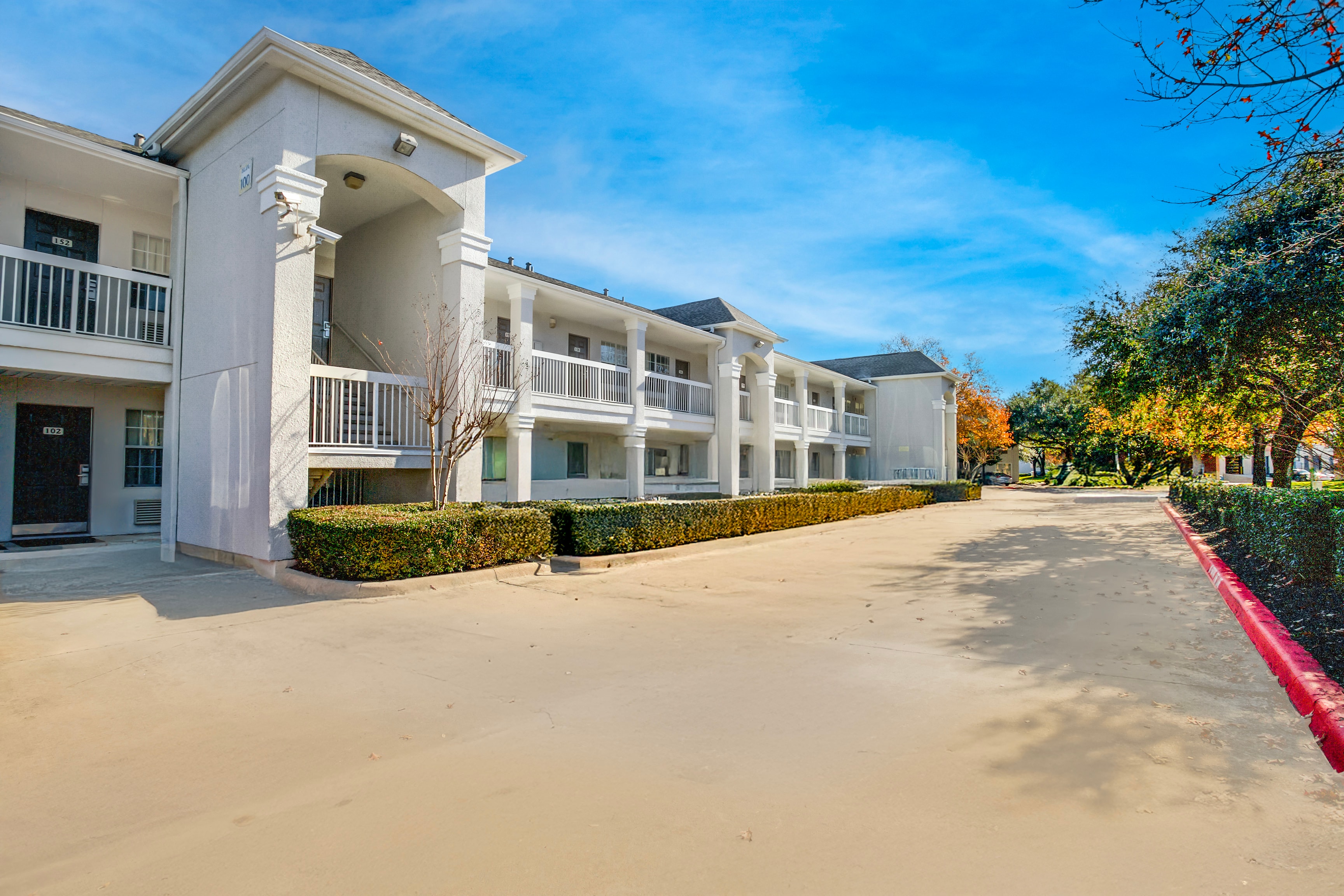
Location Detail
Artificial turf installation for Stafford residential properties near the US 90A and Beltway 8 corridor.
Main Introduction
Stafford is one of the few Texas cities that has no property tax, which has historically made it an attractive destination for working families who want closer-in access to the Houston employment base without the tax burden of incorporated Houston or Fort Bend County municipalities. The residential neighborhoods here — clustered along the old US 90A corridor and the Sugar Creek and Walnut Bend sections near the Fort Bend-Harris County line — are compact, owner-occupied, and represent a cross-section of the south Houston working household: industrial corridor workers, airport-adjacent logistics employees, and lower-professional-sector households who commute toward the Beltway 8 employment arc.
Artificial Turf of Pearland serves Stafford properties with scopes that fit the lot sizes and budget realities of no-tax-district working neighborhoods. Stafford lots tend to be on the smaller side — 5,000 to 8,000 square feet — which means a turf installation has a fast payback relative to mowing service costs. Many Stafford homeowners pay monthly mowing contracts that add up to more than the annual prorated cost of a turf installation within two to three years of the project.
Stafford's location between the Beltway 8 west employment corridor and the Fort Bend County industrial belt means household schedules are built around variable work patterns. Some households run standard weekday schedules; others run industrial shifts or airport-linked irregular hours. We accommodate both during scheduling because a Stafford turf installation cannot depend on the homeowner being available on a standard 9-to-5 basis.
Local Challenges
Stafford sits on the Fort Bend-Harris County line where soil profiles vary block by block. The western sections closer to Sugar Land sit on Fort Bend clay; the eastern sections closer to Houston proper pick up the Houston black clay formation. Both are expansive clay soils, but they require slightly different aggregate specifications. We probe the installation zone at intake rather than assuming a single specification applies across the whole city.
Stafford's no-property-tax status means city drainage infrastructure has historically been funded at a different level than neighboring cities. Older residential sections sometimes have undersized storm drains or deteriorated drainage culverts that back up during heavy rain. We identify the drainage exit path for every Stafford installation and note whether the city infrastructure at that exit point is adequate before designing the base slope.
Some Stafford lots are close enough to the Beltway 8 commercial corridor that overhead power lines and utility easements run near or through the rear yard. These infrastructure corridors affect where we can safely excavate and how we route base drainage.
Service Approach
For Stafford lots, we probe the soil at intake and adjust the base specification based on the actual clay formation at the site — Fort Bend clay specification in the western sections, Houston black clay specification in the eastern sections. We do not apply a single city-wide standard.
For Stafford properties with drainage infrastructure concerns at the city exit point, we design the base slope to deliver water to the exit point as quickly as possible and with a reserve slope margin that keeps the turf surface clear even if the exit is briefly overwhelmed during a peak rain event. We photograph the exit condition and include it in the project documentation.
For lots with overhead line or easement constraints in the rear yard, we adjust the installation boundary to maintain required clearances and use edge details that terminate cleanly at the easement line without requiring excavation within the restricted zone.
Benefits
For Stafford's no-property-tax households who are cost-conscious by nature of their location choice, turf has a straightforward economic case. Elimination of mowing service contracts, water bills tied to lawn irrigation, and occasional resodding expenses adds up faster than most homeowners calculate. On a typical Stafford lot, the mowing service cost over five years often approaches or exceeds the turf installation cost — without producing a permanent surface improvement.
For industrial corridor workers who commute irregular hours, the elimination of the mowing schedule obligation has immediate quality-of-life value. There is no weekly window that needs to be protected for yard work. The yard maintains itself within normal care parameters regardless of whether the household is running a standard week or a rotating-shift week.
For Stafford homeowners who take pride in their properties in a city that rewards no-tax fiscal discipline, a consistently maintained turf front yard communicates care without ongoing labor cost. The property presents well in any season without requiring the homeowner to schedule around rainfall or seasonal dormancy.
Scheduling Flexibility
Stafford is part of our Fort Bend County routing circuit alongside Sugar Land and Missouri City. We schedule Stafford projects on the same routing days as those areas.
For industrial-shift households in Stafford, we accommodate irregular availability windows during scheduling. We confirm the preferred work window 48 hours before each phase and do not default to a 7 a.m. to 3 p.m. standard schedule without homeowner confirmation.
Weather holds for Stafford are assessed by the specific Fort Bend-Harris County line radar zone, which behaves differently from Pearland during Gulf Coast storm events.
Process
Stafford projects begin with a soil-zone probe, a drainage exit assessment, and a utility easement check. We confirm which clay specification applies to the site, note the drainage exit condition, and identify any overhead line or easement constraints before the scope is written.
Base preparation uses the appropriate clay specification for the soil zone identified at intake. Geotextile separation is standard. Utility easement edge details are designed before material is ordered. We do not begin compaction until the drainage exit condition has been confirmed functional or noted as a constraint in the project file.
Installation on Stafford lots is typically one to two days given the smaller lot sizes. Seams are positioned to minimize visibility from the primary street view. Closeout includes a drainage exit check and a one-page care guide.
Nearby Areas
Stafford is part of our Fort Bend County south routing alongside Sugar Land and Missouri City. The location near Beltway 8 west makes Stafford a consistent stop on our west-circuit days.
Services Offered
Location FAQ
Yes. Stafford is part of our Fort Bend County routing circuit. We know the soil variability between the western Fort Bend clay sections and the eastern Houston clay sections.
We assess the drainage exit condition for every Stafford project during site intake. If the city exit is undersized, we design the base slope with a reserve margin and document the exit condition.
Yes. We identify easement boundaries during site assessment and design the installation boundary and edge details to maintain required clearances without excavating within restricted zones.
Usually yes. On a typical Stafford lot, mowing service over five years often approaches turf installation cost. We can walk through that comparison during the site visit.
Yes. We confirm preferred work windows and quiet-hours constraints during intake and build the timeline around them rather than defaulting to a standard schedule.
Final CTA
Submit your project details for Stafford, TX. We will coordinate planning and scheduling based on your property requirements.
Call