
Loading...
Loading...
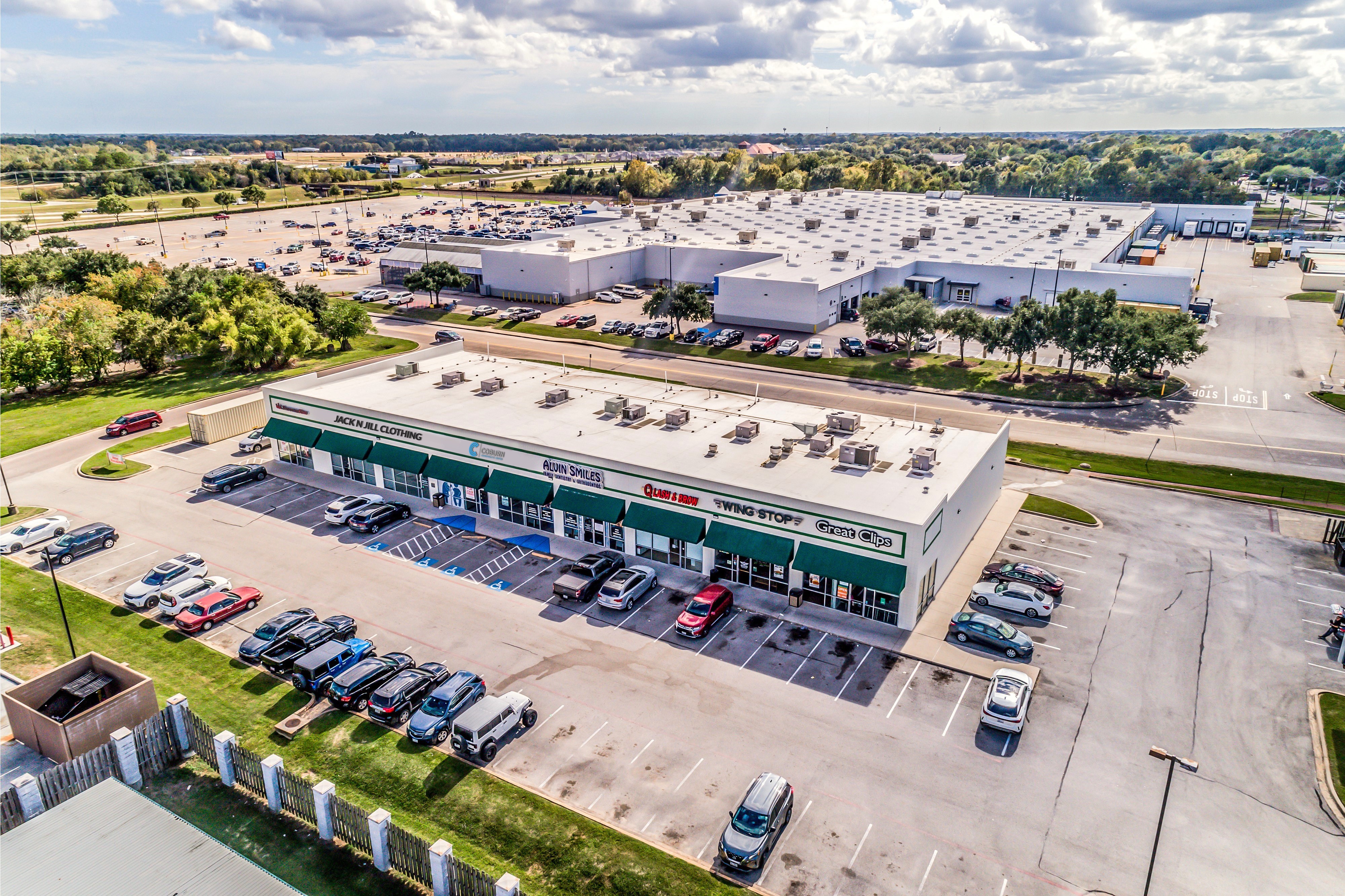
Location Detail
Artificial turf installation for Webster residential properties near the I-45 south corridor and NASA Road 1.
Main Introduction
Webster occupies a narrow strip between the I-45 Gulf Freeway and the Clear Lake employment corridor. The residential neighborhoods here — many of them built in the 1970s through 1990s as the NASA and petrochemical workforce grew — are compact, well-maintained, and occupied by long-tenured homeowners who have watched the area evolve around them. The yards are modest, the streets are quiet, and the lawn maintenance challenge is the same one facing every homeowner in the Gulf Coast corridor: grass that grows too fast during wet months and goes dormant-ugly during dry stretches.
Artificial Turf of Pearland serves Webster properties with the same ground-level approach we use in older Pearland neighborhoods. Site conditions here include aging curb-and-gutter drainage, established oak and magnolia canopy, and soils that shift between fast-draining sandy fill near I-45 and heavier Galveston County clay on the eastern side of town near the bay. The installation scope accounts for which soil condition the property sits on before any material is ordered.
Webster's employment mix — JSC contractors, hospital workers from the Bay Area Medical Center corridor, refinery operators from the Texas City belt — creates a commuter household profile where weekday evenings and Saturday mornings are the only available family time. A lawn that demands weekly attention competes directly with that limited window. Turf installation in Webster is as much a time-management decision as a landscaping one.
Local Challenges
Webster sits in a high-impervious-cover urban corridor where the original drainage system was built for a less developed land footprint. Storm events push more volume through city drains faster than the infrastructure was designed to handle. Properties that drain to curb inlets sometimes experience short-term standing water at the lot edge even when the turf itself drains correctly — the city system is the constraint, not the installation.
The magnolia trees common in older Webster yards create a challenging debris load. Magnolia leaves are large, leathery, and do not compress — they can bridge drainage holes in turf backing and create temporary pooling spots if not cleared after storm events. We select backing products with larger drainage apertures for canopy-heavy Webster lots.
Some Webster properties also sit near older concrete drainage swales or alley-side drainage channels that have deformed over decades. We map these existing drainage features and confirm they are still functional before committing to a base slope that depends on them.
Service Approach
For Webster properties with city-drainage constraint at the curb, we build the base with extra slope toward the curb exit so water clears the turf surface as fast as possible, even if it briefly backs up at the inlet. The goal is to keep water moving off the installed surface quickly, which is the homeowner's direct concern even if the city inlet is the downstream bottleneck.
For magnolia canopy lots, we specify a backing product with a minimum 40-hole-per-square-inch drainage aperture rather than the standard 20-hole specification. This wider drainage pattern stays functional under partial leaf coverage and reduces pooling frequency between cleanup passes.
Existing concrete swales and alley channels are physically inspected before base slope is finalized. If a channel is partially blocked or has deformed past its original cross-section, we adjust the base slope to direct water toward the next functional outlet rather than depending on a compromised channel.
Benefits
For JSC contractors and Bay Area Medical Center workers commuting through Webster, the main benefit is a yard surface that presents professionally and requires minimal time investment during high-workload periods. A well-maintained turf front yard in an established Webster neighborhood does not require water during drought restrictions or aeration during wet seasons. The surface quality is consistent regardless of what the last 30 days of weather brought.
For households with dogs or young children, the compact yard sizes common in Webster mean that a pet zone or play area takes up a significant fraction of the total lot. Turf in these small high-use zones eliminates the bare-spot and muddy-patch problem that constant foot traffic creates on natural grass in a small yard.
For Webster homeowners considering resale, a consistent front yard presentation matters in a neighborhood where comparable homes compete on condition. A turf front yard in good condition photographs well in any season and communicates property care to buyers who are comparing similar-vintage homes on the same street.
Scheduling Flexibility
Webster is part of our I-45 south corridor routing circuit that also covers League City, Clear Lake, and Pasadena. We typically visit Webster on two routing days per week, which keeps scheduling windows short.
For commuter households with compact weekday schedules, we offer single-day installation windows for smaller Webster scopes so the project can complete within one day's availability. Multi-day projects are sequenced to minimize the number of days the homeowner needs to manage access.
Weather holds in Webster — which sits in a distinct rainfall zone from Pearland — are assessed locally rather than by the broader south Houston forecast.
Process
Webster projects start with a drainage map — curb inlet location, alley channel position, and any existing concrete swales that affect where we direct water from the base layer. This takes 20 minutes on site and shapes the slope angle of the base before any compaction begins.
Base preparation varies by soil zone. Sandy-fill sections near I-45 compact quickly and drain fast. Clay sections on the eastern side of Webster require more aggregate depth and a steeper slope angle. We probe the installation zone before writing the base specification.
Installation on compact Webster lots is typically one to two days. Magnolia canopy backing specification is selected during intake if canopy trees are present on the property. Edge integration at curb-side and alley-side is detailed to allow drainage to exit cleanly. Closeout includes a rain-simulation rinse to verify drainage exits the property within five minutes.
Nearby Areas
Webster is part of our I-45 south and Clear Lake routing circuit alongside League City, Pasadena, and South Houston. We reach Webster efficiently from the Pearland base and route it with Gulf Freeway corridor visits.
Services Offered
Location FAQ
Yes. Webster is a regular stop on our I-45 south corridor routing. We know the soil and drainage variability between the western sandy-fill sections and the eastern clay sections.
Yes. We specify a backing with a wider drainage aperture for canopy-heavy lots so the drainage layer stays functional under partial leaf coverage.
Yes. We build the base slope to move water off the turf surface quickly so standing water on the turf itself is minimal, even if the city inlet temporarily backs up downstream.
Often yes, for lots under 1,000 square feet of installation area. We confirm the timeline during intake based on the actual scope.
Yes. Compact putting greens are a common Webster scope. We design the grade and cup positions around the actual backyard geometry during the site visit.
Final CTA
Submit your project details for Webster, TX. We will coordinate planning and scheduling based on your property requirements.
Call